Damaged Garage Door Panels: Repair Options vs Full Replacement
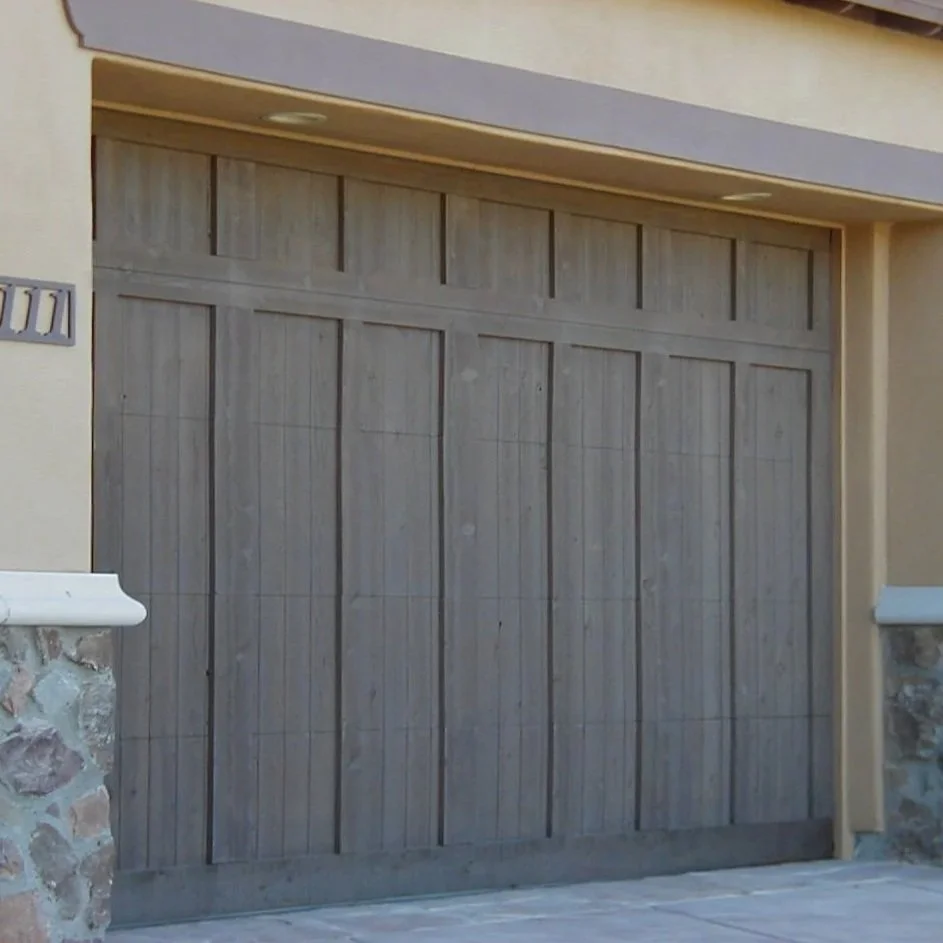
Dents, warping, fading, and cracking tend to appear slowly, which makes it easy to ignore the damage until the door no longer operates the way it once did.
Garage door panels deal with a lot more than most homeowners give them credit for. In Phoenix and the surrounding areas, panels absorb intense sun, daily heat swings, wind-driven dust, and the occasional accidental impact from a vehicle or bike. Over time, those conditions leave marks. Dents, warping, fading, and cracking tend to appear slowly, which makes it easy to ignore the damage until the door no longer operates the way it once did.
Garage door panels affect much more than appearance. Panels help the door stay rigid, balanced, and properly aligned as it travels along the tracks. When one panel weakens or bends, the entire system compensates. Springs work harder, rollers bind, and openers strain. Knowing when panel repair is practical versus when full replacement makes more sense helps homeowners avoid repeated service calls and unexpected failures.
How Garage Door Panels Support the Door Structure
Garage door panels act as the framework that holds the entire door together. Each panel connects to the next through hinges, creating a segmented structure that bends as the door opens. When panels remain straight and reinforced, the weight is distributed evenly across the door and into the spring system during movement.
Once a panel becomes dented or warped, structural integrity starts to suffer. Hinges attached to damaged panels experience extra stress, which leads to loosened hardware and uneven movement. Rollers struggle to track properly, especially as the door transitions from vertical to horizontal travel.
In Phoenix's heat, structural weaknesses become more noticeable. Panels expand during the day and contract at night, exaggerating existing bends or cracks. That repeated movement accelerates wear on surrounding components, quietly turning a small panel issue into a broader mechanical problem.
Common Causes Of Garage Door Panel Damage
Vehicle contact remains one of the most common sources of garage door panel damage. Even low-speed bumps stretch metal beyond its original shape. While the dent may look minor, the panel often loses rigidity, which affects how it supports load during operation.
The weather also plays a role in the desert. Prolonged sun exposure fades finishes and heats panels to extreme temperatures. Wind-blown debris during storms strikes panels with surprising force. Over time, repeated impacts leave visible and hidden damage that weakens the panel structure.
Mechanical problems contribute as well. Doors operating with worn springs or misaligned tracks twist during movement. That twisting places stress on panel joints, eventually causing cracks or separation. Panel damage caused by underlying issues tends to worsen until both the panel and the root cause receive attention.
Cosmetic Panel Damage Versus Structural Problems
Cosmetic damage affects appearance without immediately changing how the door functions. Surface scratches, paint fading, and shallow dents often fall into this category. These issues matter for curb appeal but may not affect daily operation right away.
Structural damage affects how the door moves and balances. Creased metal, cracked composites, or warped panels compromise rigidity. Doors with structural panel damage often feel rough during operation, produce new noises, or show uneven gaps along the edges.
Telling the difference requires more than a glance from the driveway. Panels that look slightly dented can hide stress fractures along seams or hinge points. Early identification helps homeowners avoid dismissing problems that will eventually interfere with safe operation.
When Garage Door Panel Repair Is A Practical Option
Panel repair works best when damage stays isolated, and the rest of the door remains sound. Minor dents in steel panels can sometimes be reinforced or reshaped. Surface damage responds well to refinishing when the panel still holds its shape under load.
Repair also makes sense for newer doors where matching panels remain available. Maintaining a uniform look matters for many homeowners, especially when the rest of the door still performs well. In those cases, repair restores appearance and function without disturbing the entire system.
Successful repair depends on realistic expectations. Repairs address localized issues but cannot restore original strength to severely compromised panels. Knowing those limits helps homeowners decide whether repair offers lasting value or temporary relief.
Limits Of Garage Door Panel Repair Over Time
Panel repair cannot reverse metal fatigue. Panels that have bent significantly often retain memory of that damage, flexing under stress even after cosmetic correction. Heat and daily use magnify that flexing, leading to cracks or repeated deformation.
Matching older panels creates another challenge. Manufacturers update designs and finishes regularly. Replacement panels for older doors may no longer exist, leading to visual mismatches after repair that become more noticeable as finishes age differently.
Repairs also fail to correct system-wide problems. If panel damage resulted from misalignment or worn hardware, repaired panels will suffer the same fate unless those issues are resolved. That cycle often leads homeowners to spend more over time than replacement would have cost initially.
Signs Full Panel Replacement Makes More Sense
Full replacement becomes the better option when multiple garage door panels show damage. Several weakened panels compromise door balance and rigidity, making repair impractical. Replacement restores uniform strength across the door, improving movement and reducing strain.
Older doors also favor replacement. Panels designed years ago often lack modern reinforcement or insulation. Replacing panels on outdated designs can approach the cost of a new door while delivering fewer long-term benefits.
Homeowners preparing to sell often choose replacement for immediate visual impact. A clean, undamaged door improves curb appeal quickly. Buyers notice garage doors, and visible panel damage suggests deferred maintenance even when the rest of the home is well cared for.
How Damaged Panels Affect Garage Door Safety
Garage door safety relies on predictable movement. Damaged panels disrupt that predictability by shifting weight and alignment. Doors may bind unexpectedly or fail to reverse properly when encountering resistance, creating safety risks.
Over time, uneven stress transfers to cables and springs. Cables fray as tension shifts. Springs cycle under an unbalanced load, shortening their lifespan. When these components fail, hazards escalate quickly and often without much warning.
Ignoring panel damage increases injury risk. Doors that flex unpredictably may drop suddenly or jam mid-cycle. Addressing panel issues early protects everyone who uses the garage, from children and pets to vehicles and stored belongings.
Insulation Considerations When Panels Are Damaged
Insulated garage door panels play a major role in temperature control, especially in Phoenix. When insulated panels crack or separate, thermal performance suffers. Heat moves more freely into the garage, raising interior temperatures.
Panel replacement offers an opportunity to upgrade insulation. New panels with improved insulation stabilize garage temperatures and reduce noise. For attached garages, those improvements affect indoor comfort more than many homeowners expect.
Mixing insulated and uninsulated panels creates balance issues. Weight differences affect spring tension and door alignment. In many cases, full replacement delivers better performance than mixing panel types across the same door.
Aesthetic Impact Of Panel Repair Versus Replacement
Garage door panels occupy a significant portion of a home’s facade, making them highly visible. Damaged panels draw attention even when homeowners become accustomed to them over time. While repaired panels can restore function, they often fail to blend seamlessly. Uneven finishes, scratches, or minor warping can remain noticeable, slightly diminishing overall curb appeal.
Sun exposure gradually fades and the panel finishes unevenly. Repaired or replaced panels may look newer than surrounding sections unless the entire surface is refinished uniformly. Over time, subtle differences in color, gloss, or texture can become more apparent, creating a patchwork effect. This mismatch can detract from a home’s exterior appearance and overall visual harmony.
Full replacement eliminates the patchwork look entirely. Installing uniform panels ensures consistent color, texture, and alignment across the garage door surface. This approach enhances the home’s exterior aesthetic, boosting curb appeal. For many homeowners, the investment in full panel replacement is justified because it creates a clean, polished, and visually consistent appearance that lasts.
Environmental Stress On Garage Door Panels In Phoenix
Phoenix’s harsh climate places daily stress on garage door panels. Prolonged heat gradually weakens metal and composite materials, while intense UV exposure breaks down protective coatings and paint finishes. Dust, sand, and debris settle into seams and joints, increasing friction and wear during regular door operation, accelerating deterioration over time.
Damaged panels under these conditions deteriorate faster than in milder climates. Cracks widen, dents deepen, and finishes peel more quickly. Panels designed for older, cooler regions often struggle to withstand the constant heat, sun, and dust in desert environments, reducing both lifespan and performance. Regular maintenance cannot always compensate for these environmental challenges.
Replacing panels with modern materials designed for desert conditions improves durability and longevity. Newer panels resist heat warping, fading, and structural weakening caused by sun exposure. Understanding how environmental stress affects panel lifespan helps homeowners make informed decisions, reduces long-term maintenance, and ensures their garage door continues to operate safely and reliably for years.
Evaluating Cost Versus Long-Term Value
Panel repair often costs less upfront, which appeals to homeowners managing a budget. For minor cosmetic or structural damage, repair can restore function and appearance without a large financial commitment. This approach works best when the damage is limited and the door remains structurally sound, providing a practical short-term solution.
Replacement costs more initially but offers long-term benefits that extend well beyond cosmetic improvement. New panels reduce maintenance, improve operational smoothness, enhance insulation, and prevent future damage. Over time, these advantages often outweigh the initial expense, resulting in lower overall ownership costs and a more reliable, visually appealing garage door.
Considering the decision through a long-term lens helps homeowners balance immediate budget concerns with durability and value. Prioritizing quality and longevity often results in better long-term experiences, fewer emergency repairs, and more consistent curb appeal. Smart planning ensures the garage door continues to function efficiently while protecting the home’s exterior appearance.
FAQs
Can a single garage door panel be replaced?
Single-panel replacement is possible when matching panels are still available from the manufacturer and the rest of the door remains structurally sound. A professional evaluation helps confirm whether the door can stay properly balanced after the panel is replaced.
Does panel damage affect garage door springs?
Yes, damaged panels can shift the door’s weight distribution, which places uneven stress on the springs. Over time, this added strain can shorten spring lifespan and lead to additional mechanical issues if not addressed.
Is it safe to keep using a door with a bent panel?
Continuing to use a garage door with a bent panel increases the risk of misalignment and further mechanical failure. As the damage worsens, it can affect how the door moves along the tracks and put extra strain on other components.
Will panel repair restore the door’s original strength?
Panel repair can improve the appearance of the door and restore some functionality, but it typically cannot return the panel to its original structural strength. Severely damaged panels may remain weaker even after repair.
How do I know whether repair or replacement makes more sense?
If multiple panels are damaged, the door is older, or issues keep recurring, full replacement is often the more reliable long-term solution. A professional inspection can help compare costs and determine the most practical option.
Quality Overhead Door offers garage door roller replacement, garage door panel replacement, garage door weather stripping, garage door realignment and balancing, and garage door sensor alignment and repair to Mesa, AZ, residents. Licensed, bonded, and insured, ours is a family-owned and operated garage door business, providing quality solutions for over two decades. Call today to book a service.
